Using Medical Card Scanners in Hospitals
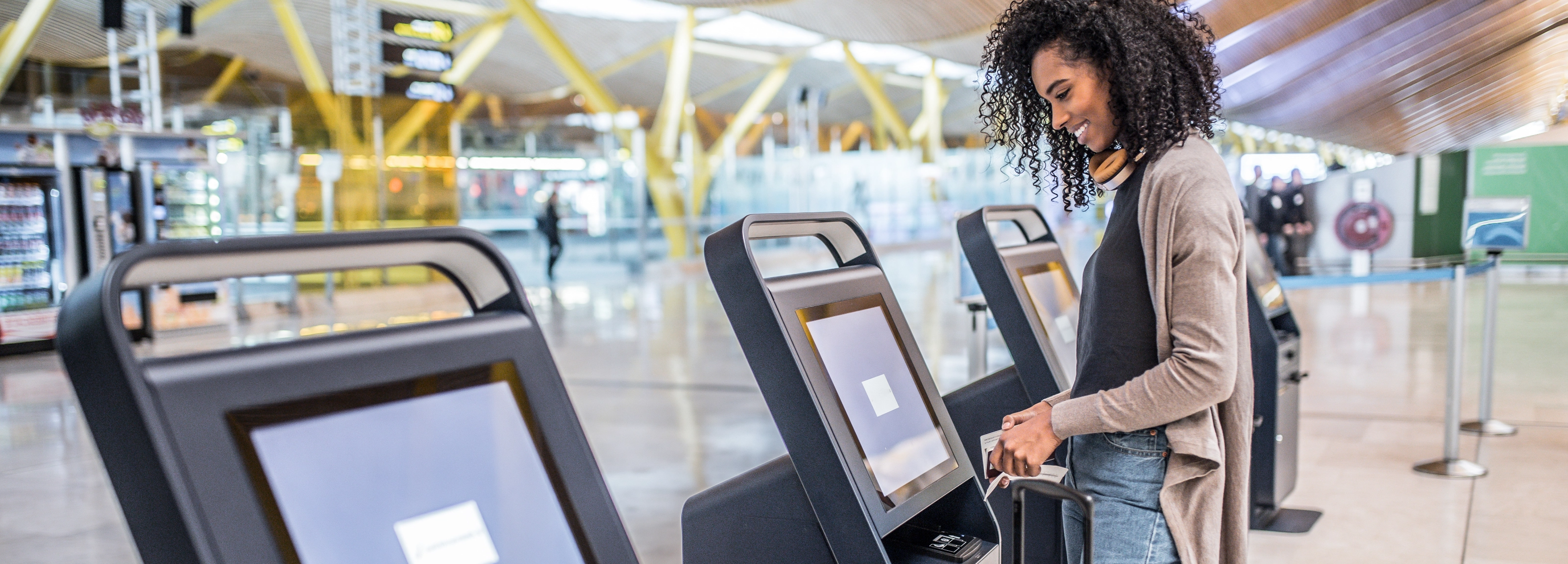
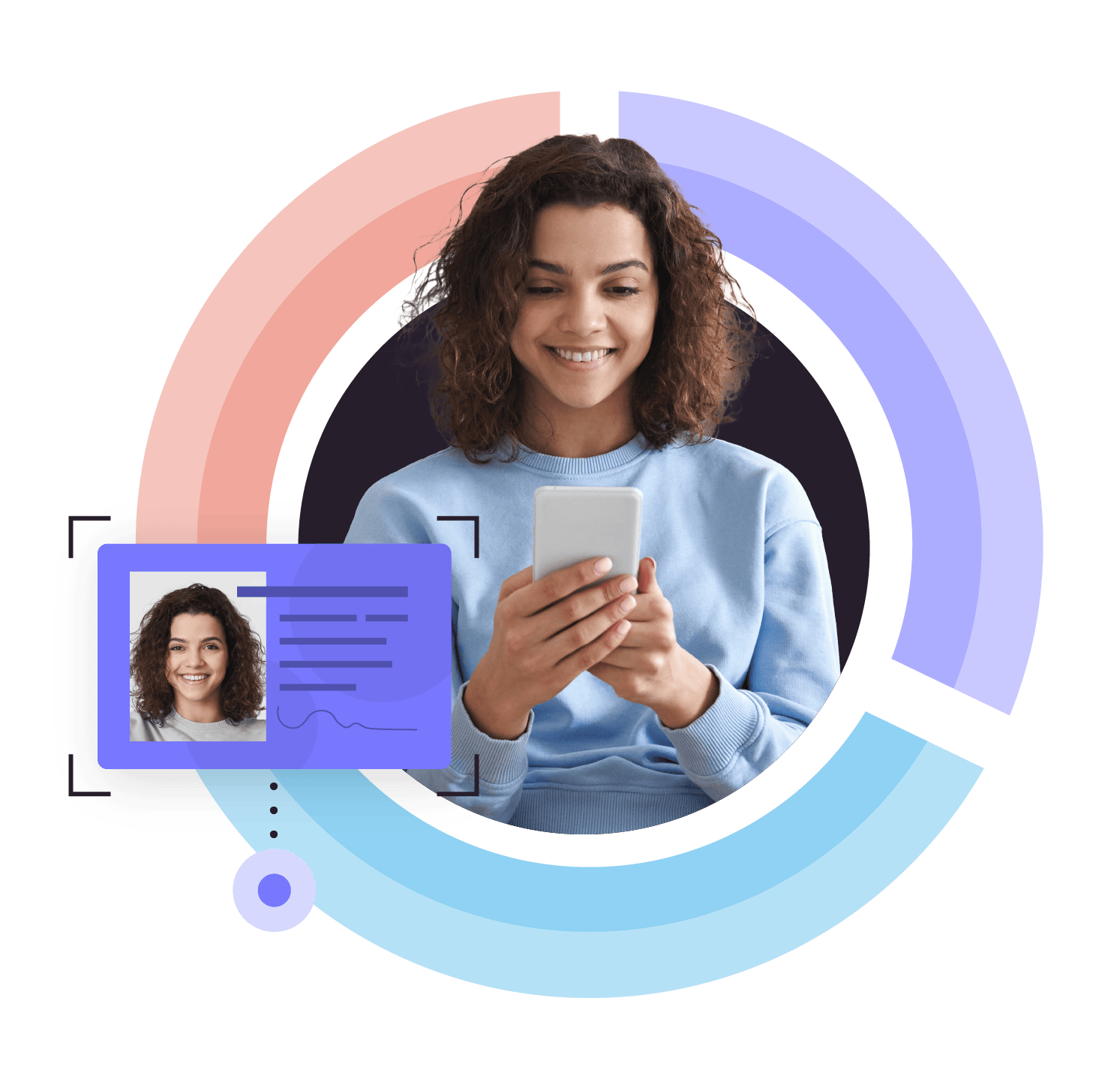
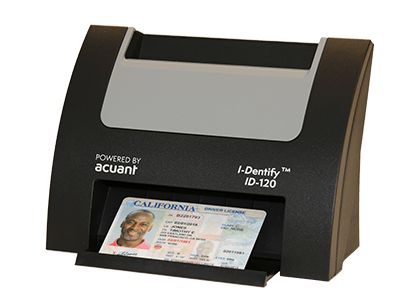
Although most of us haven’t worked at a hospital, you can only imagine the importance of having an accurate medical record system that’s fully automated and easy to use. How many times have you visited a hospital and the receptionist was able to take your card, swipe it through a portable machine, and send your medical information to the appropriate department? She probably used a medical card scanner, which scans or reads data from a medical card. It scans such data as your name, address, and type of medical coverage. The medical card scanner takes less than a few seconds to read the data and extract it into an electronic file, which is then sent by email to the particular department. You are then sent to the specific area and wait for your name to be called.
This is how it works without a medical card scanner. The receptionist takes your card, inputs the information manually into the hospital’s software system, and a few minutes later, hands you a paper with your details on it. You then give that paper to the admitting nurse. Not only does it take longer to input your information into the system, but also the receptionist might have entered your data incorrectly. What if by mistake she entered the wrong address and you were never billed for the visit. You might be happy that you never received a bill until you receive the delinquency charges.
What about a worse case scenario - she misspells your name and the attending physician receives the wrong medical records. He wants to treat you with penicillin based antibiotics, but doesn’t know you’re allergic because he has the wrong file. You’re too sick to catch the mistake and you buy and take the medicine. The repercussions could be fatal, just because data was inputted incorrectly. With a medical card scanner, this would never happen.
Besides reducing human error, the medical card scanner increases overall productivity, from the receptionist to the medical records staff. The receptionist doesn’t have to take the time to enter the data, and the medical records team receives accurate information. They don’t have to take the time to constantly cross check for accuracy.
With a simple swipe of a card, the medical card scanner not only saves time but can also save lives.