|
It's late at night, and you and your husband are driving home after a movie. Suddenly, you hear screeching tires.
Before you can move, a car slams into yours. Someone calls an ambulance. Dazed and in pain, you must wait your
turn in the hospital emergency room. In the meantime, you are handed a clipboard stacked with forms to
complete. Page after page requires you to recall your personal information. This is already a terrible
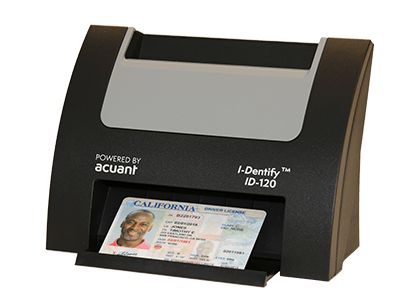
scenario made worse by an inefficient hospital system. What this hospital needs is ID reader to quickly
scan and upload identity information.
The ID reader has the power to transform inefficient hospital registration systems. It is ironic that, in a
place where technology helps save lives, matters of bureaucratic paperwork remain so outdated. Whether visiting
a patient or receiving help yourself, everyone who walks through the doors of the hospital is subject to pages
and pages of tedious forms to complete. In a place where slight differences in time can often mean life or
death, why is this habit acceptable? Why endure the frustration of a typical hospital visit when there's a
simple solution? Why waste time in manually filling out forms when the ID reader makes things so easy?
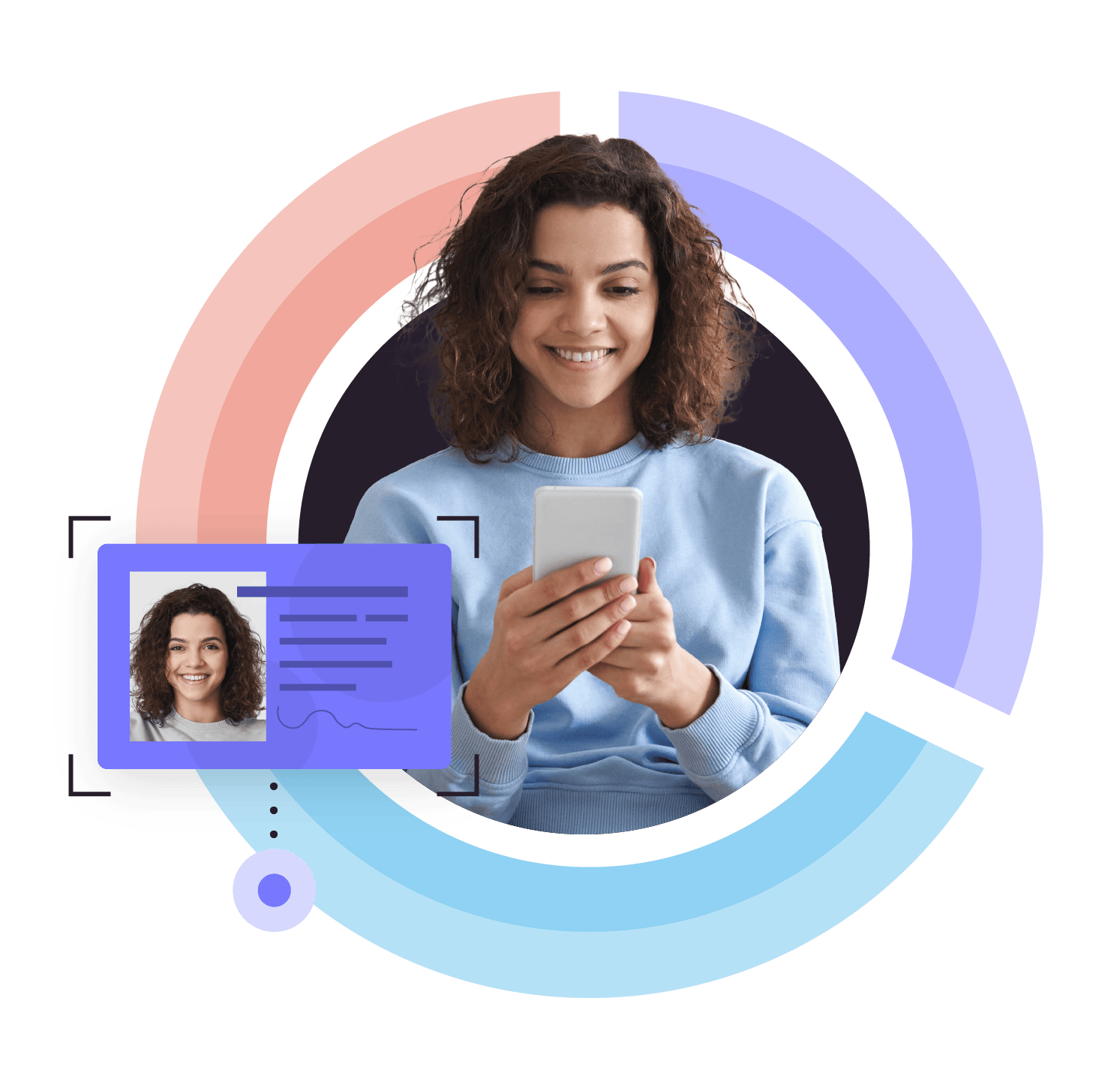
Instead of picking up a pen to begin filling out the forms, visitors can simply swipe their ID through an ID
reader. Within seconds, their information is uploaded to the hospital's computer. This is useful for two
reasons. The first is that it keeps a log of visitors. Instead of having a staff member manually copy your
ID information onto a visitation file, you can scan your card, have your identity verified, and proceed.
Secondly, information uploaded from IDs via optical character recognition (OCR) technology can be used by
hospital computers to update forms. The reader automatically places your name in the name field, your
address in the address field, and so on. Instead of handwritten paperwork, the hospital can print out
a form with your information pre-entered in easy-to-read font. All you have to do is verify and sign.
The same goes with insurance information. Just like with driver’s licenses and other forms of ID, the ID
card reader makes scanning insurance cards a snap. Your insurance company, policy number, employer and
expiration dates can be checked with a simple swipe of your card. This information can also be used to
electronically fill out a form that you normally would have to complete by hand. Simply print and sign.
Hospital visits are stressful enough without the hassle of paperwork. By using technology to
streamline bureaucracy, hospitals can ease the difficulties of their patients and visitors.
|